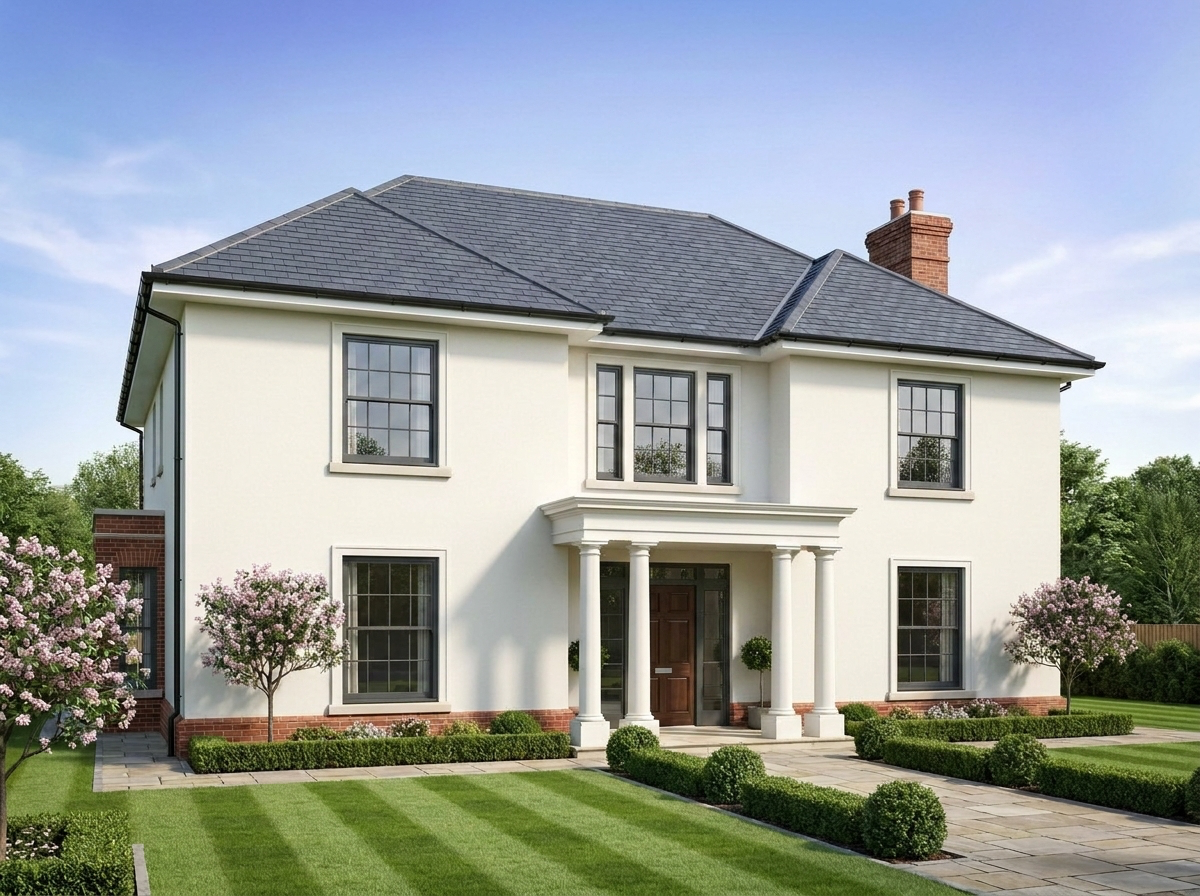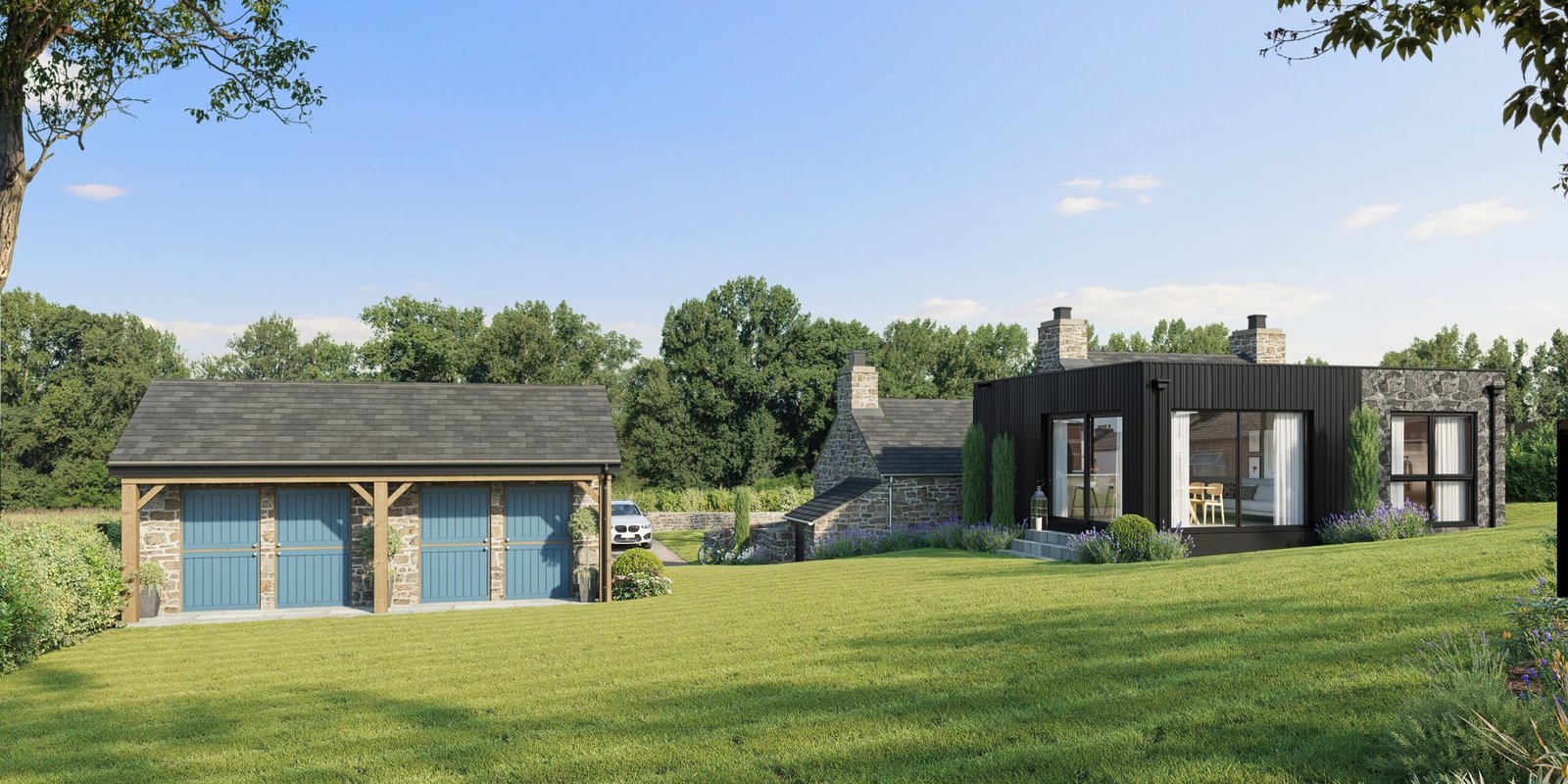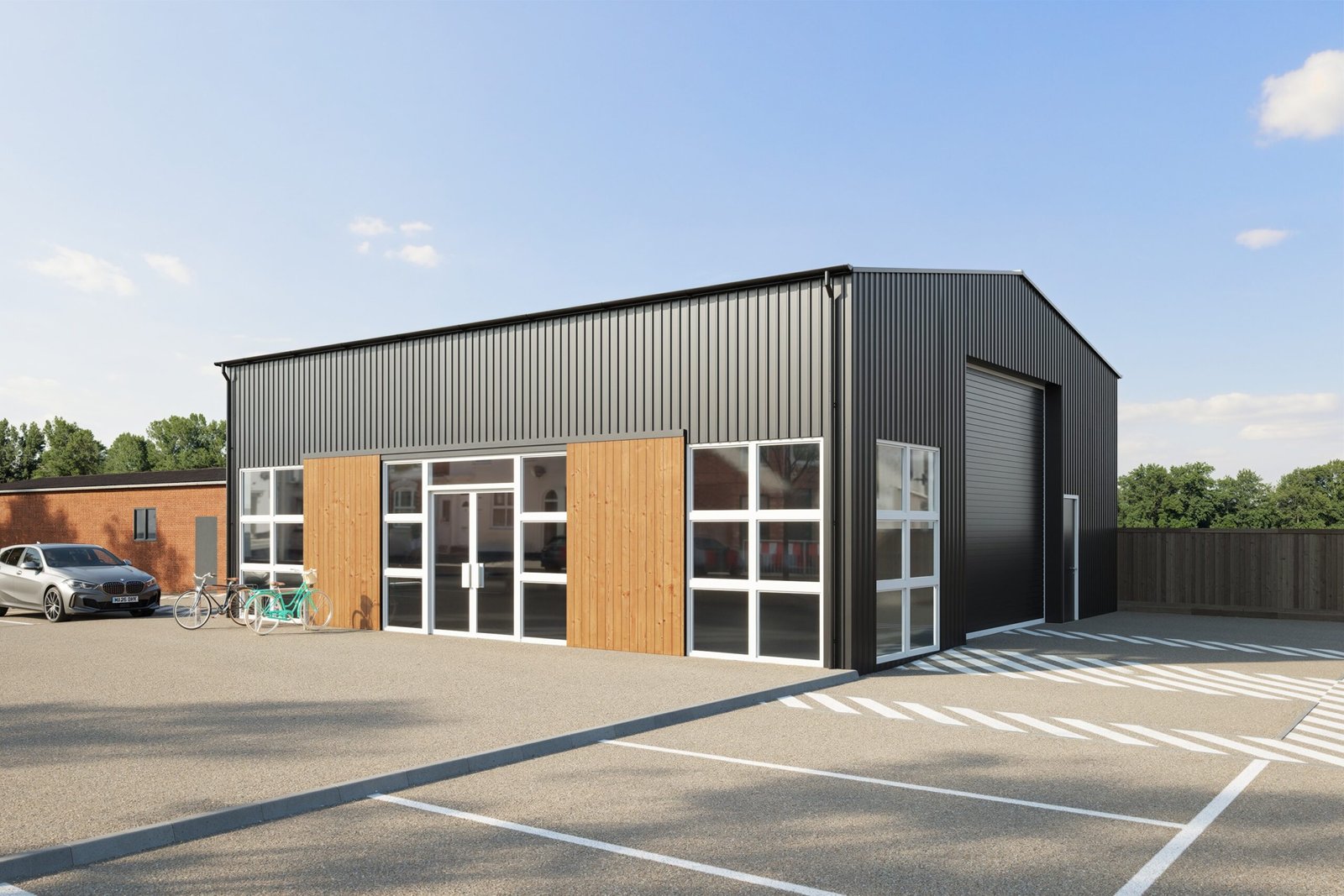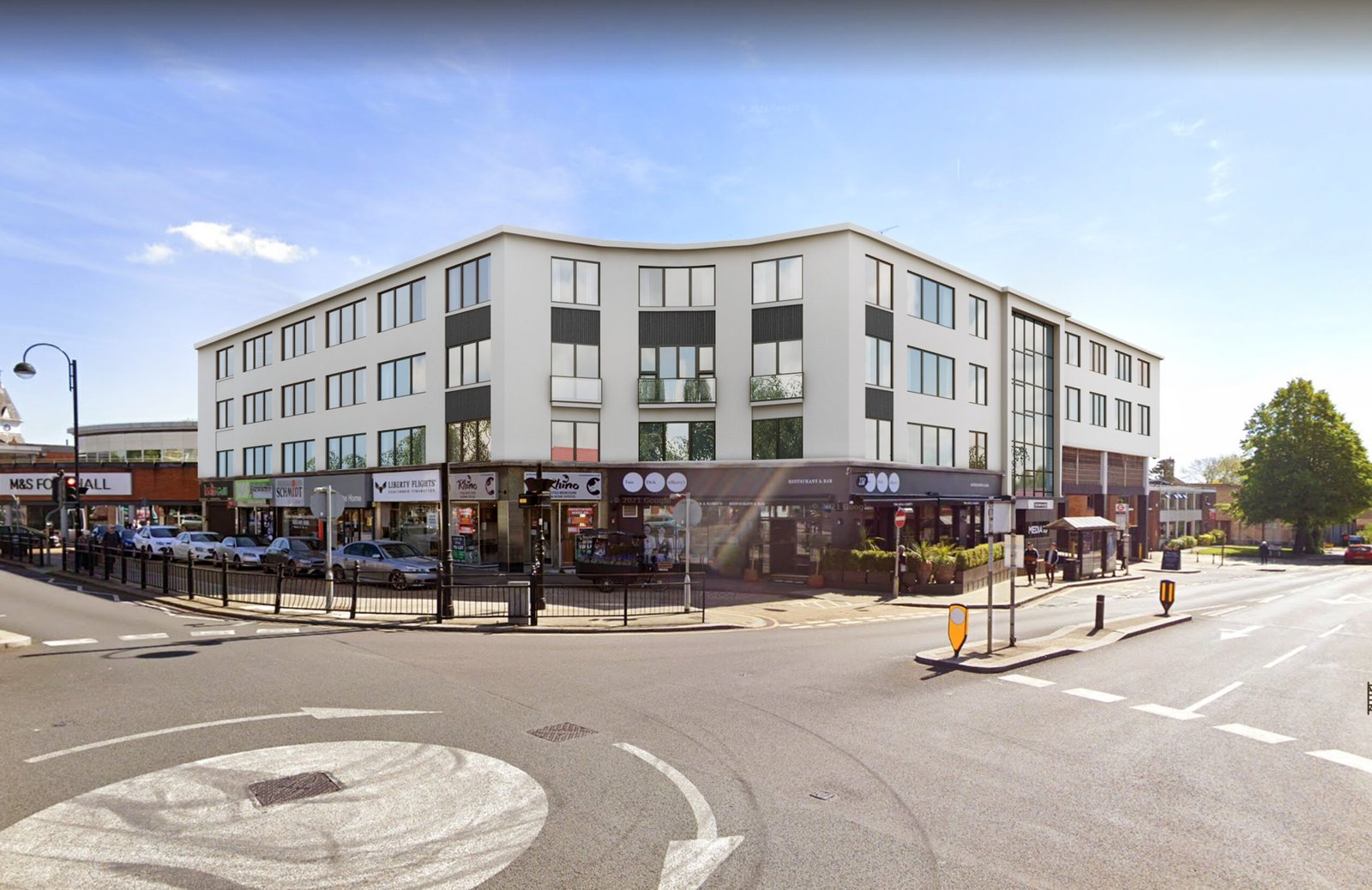
Photomontage and CGI can be used to create more engaging and accurate representations of properties and can be helpful in the sales process by providing a more detailed and realistic view of the property and its potential.
What’s the Difference between Photomontage and CGI?
Photomontage is the process of combining multiple photographs into a single image. It is often used to create composite images that would be difficult or impossible to capture in a single photograph, such as panoramic views or images that include elements from multiple different locations or times.
How CGI Differs?
CGI stands for computer-generated imagery. It refers to the use of computer software to create or manipulate images, often in the context of film, television, or video games. CGI can be used to create special effects, animation, or realistic images of objects or environments that do not exist in the real world. It can also be used in photomontage to combine real and computer-generated elements together in a single image.
Architectural Photomontage and CGI in Real Estate
In the real estate industry, photomontage and CGI can be used to create marketing materials such as virtual tours, floor plans, and renderings of properties that are still under construction or have not yet been built. This lets real estate developers and agents show houses to potential purchasers before they are finished and help them picture how a property can be renovated or remodelled.
Additionally, photomontage and CGI can also be used to create virtual staging of empty properties to help potential buyers visualize how the space could be used and decorated. This can be helpful for buyers who have difficulty visualizing the potential of an empty space.
Techniques Used in Photomontage CGI in Visualization
Montage Photography in Real Estate
Montage photography is often used in real estate to showcase properties and create attractive and appealing visual representations. In real estate, montage photography is often used to create virtual tours or 3D visualizations of properties.
Another use of montage photography in real estate is to create visualizations that can show the property in detail, including the interior and exterior, and provide a clear understanding of the layout and design. This can be useful for prospective buyers to get a better idea of the property, as well as for architects and designers to evaluate the property for renovation or development purposes.
CGI Photography in Architectural Design
CGI (computer-generated imagery) photography is increasingly being used in the real estate industry to showcase properties and provide prospective buyers with a detailed and realistic representation of a property.
The use of CGI photography in real estate is a valuable tool for real estate professionals, offering them the ability to showcase properties in a cost-effective, flexible, and visually appealing way that attracts prospective buyers and helps to sell properties faster.
The Process of Photomontage CGI
The process of creating photomontage CGI involves several steps, including sourcing and preparing the various elements, compositing them together, and adding any necessary post-production effects.
Step 1: Gathering Resources and Adjustments
The first step is to gather the necessary source material. This can include photographs of people, objects, or landscapes, as well as digital elements such as textures, patterns, and 3D models. The source material must be of high quality, with a high resolution and appropriate colour balance.
Next, prepare the source material for the composite image. This may require cropping, resizing, colour-correcting, or converting source elements to compositing software-compatible file formats.
Step 2: Combining or Compositing Elements
With the source material prepared, the next step is to composite the elements together. This involves arranging the various elements within the image to create a cohesive composition. The artist may use a variety of techniques to control the visibility, placement, and blending of the elements, such as masking, layering, and colour correction.
Step 3: Final Touches
Finally, the artist may add post-production effects to enhance the final image. This can include adding atmospheric effects such as fog or smoke, adjusting the lighting, or adding special effects such as explosions or fire.
What are the Benefits of Photomontage CGI?
Photomontage CGI is a versatile, cost-effective, and highly creative form of digital art. It allows artists to bring their vision to life in a way that would be impossible with traditional photography or film-making techniques, making it an ideal solution for visual effects projects and for those looking to explore their imagination and create new and unique visuals.
-
Versatility in Creating Materials
One of the key benefits of photomontage CGI is its versatility. The technique can be used to create a wide range of images and videos, from photorealistic landscapes to surreal, abstract compositions. It allows artists to bring their vision to life in a way that would be impossible with traditional photography or film-making techniques.
-
Elements Can be Gathered into Unique Compositions
Another benefit of photomontage CGI is its ability to bring together elements from different sources, creating new and unique compositions. For example, an artist may combine photographs of different landscapes to create a new, imaginary world or use 3D models to create complex architectural compositions that would be difficult to construct in reality.
-
Budget-Friendly Approach to Making Amazing Outputs
Photomontage CGI is also a cost-effective solution for many visual effects projects. By combining photographs and digital elements, artists can produce high-quality visuals without the need for expensive sets, props, or actors. This makes photomontage CGI an ideal solution for filmmakers and visual effects artists who need to create complex, high-quality visuals on a tight budget.
Final Thoughts: Photomontage CGI Pushes Creative Boundaries Beyond its Limits
Photomontage CGI is a highly creative and expressive form of digital art. It allows artists to explore their imagination and create new and unique visuals that would be impossible with traditional photography or filmmaking techniques.
By combining high-quality photographs of the property with digital elements such as textures, patterns, and 3D models, architectural designs are visually appealing representations of the property that highlight its best features.